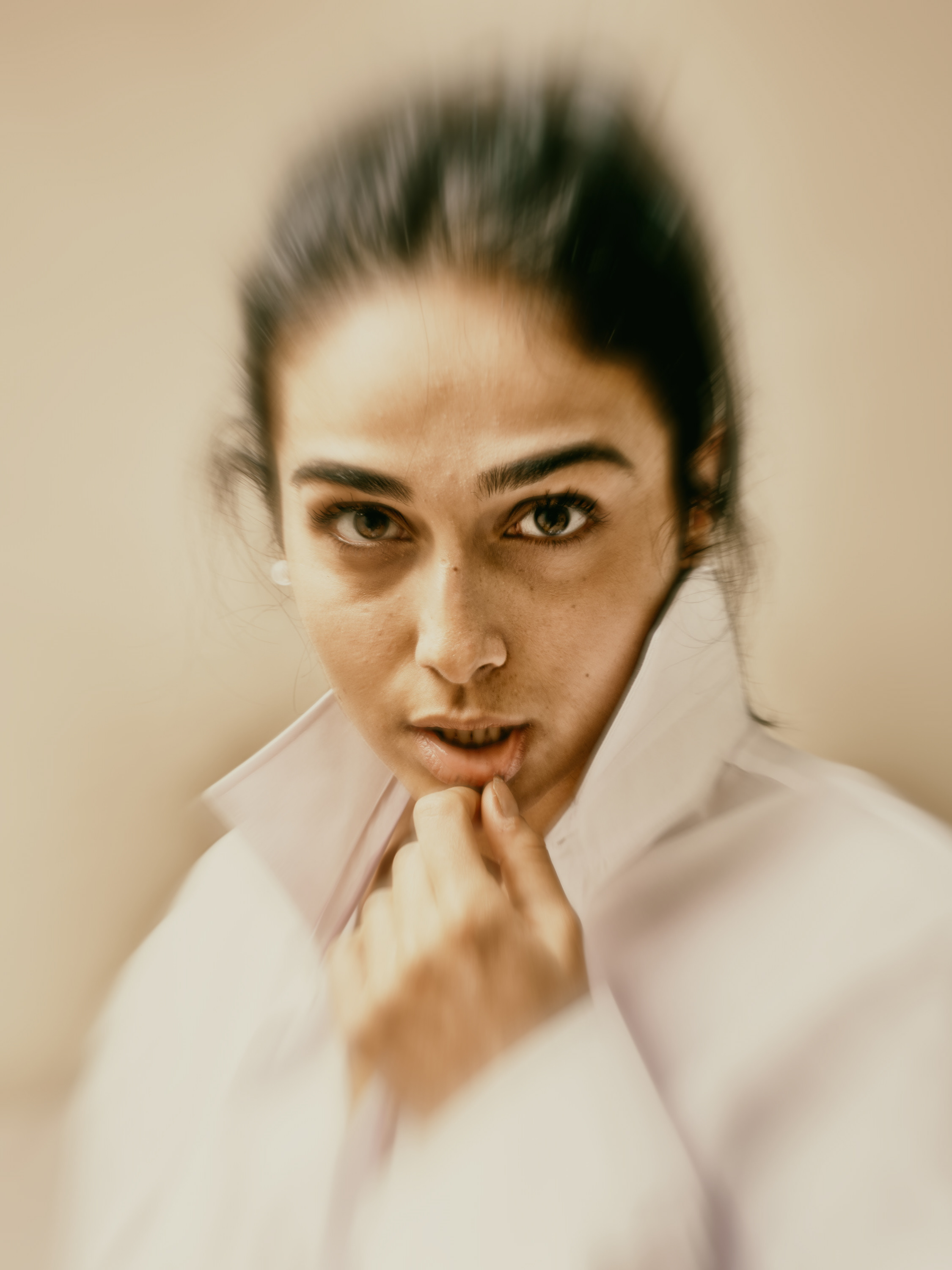
When the artist and the artwork occupy the same frame.
Some projects begin with months of planning. Others begin with a camera, an idea, and the right people in the right place.
The ARtisT belongs firmly to the second category.
It began during the Festival of Surreal and Creative Photography in Fréjus, in the south of France. The Festival brought together artists from 33 countries around the world, each arriving with their own visual language, techniques and ideas. Photography was naturally at its centre, but what interested me most was the extraordinary variety of approaches to the medium: constructed images, experimental processes, portraiture, abstraction, surrealism and work crossing the boundaries between photography and other forms of art.
For several days, Villa Aurélienne became not simply an exhibition space but a place of exchange. You would stand in front of somebody's work, then a few minutes later find yourself talking to its creator. Conversations moved between photography and technique, personal stories and artistic influences, sometimes despite the barriers of language.
That atmosphere gave me an idea.


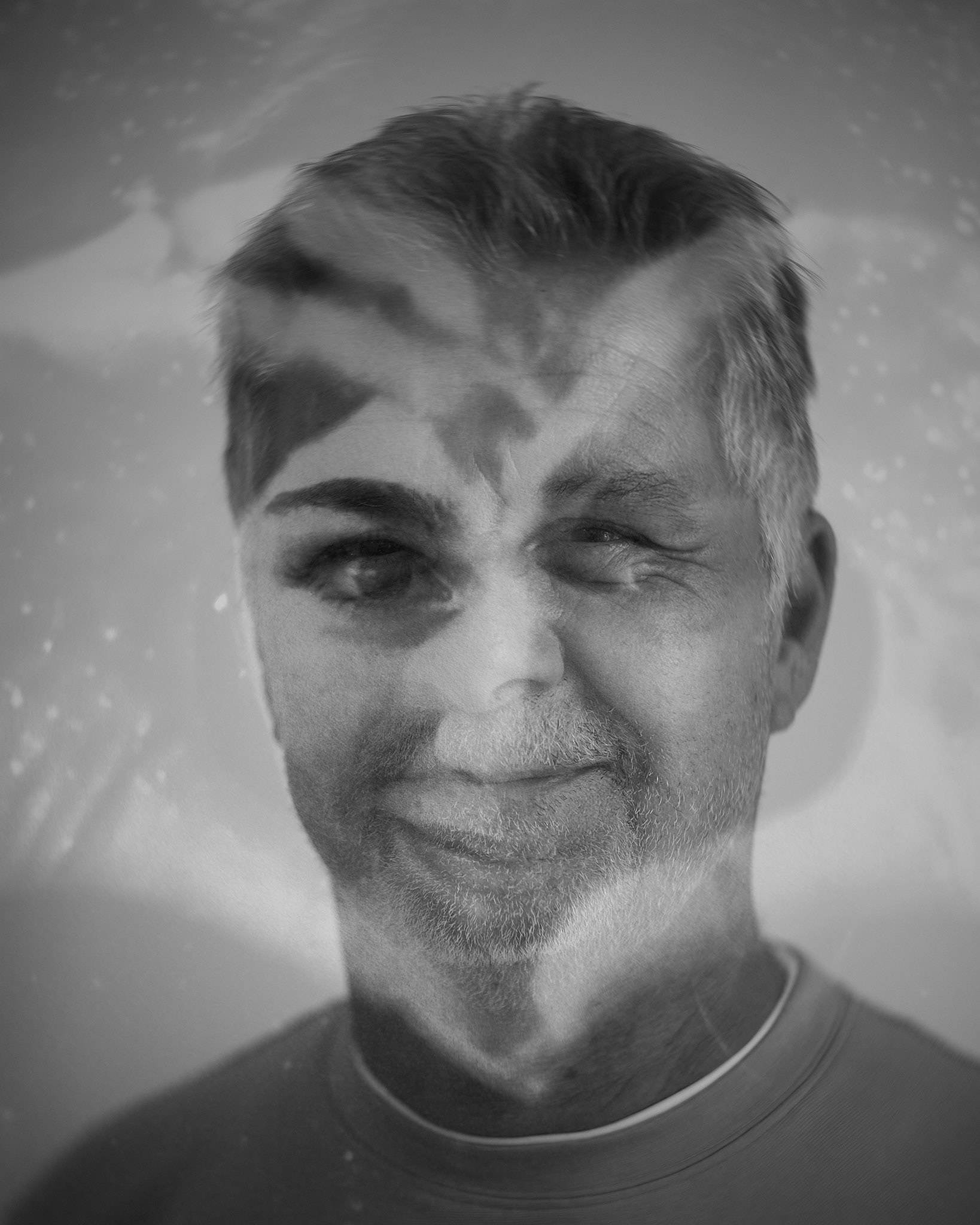
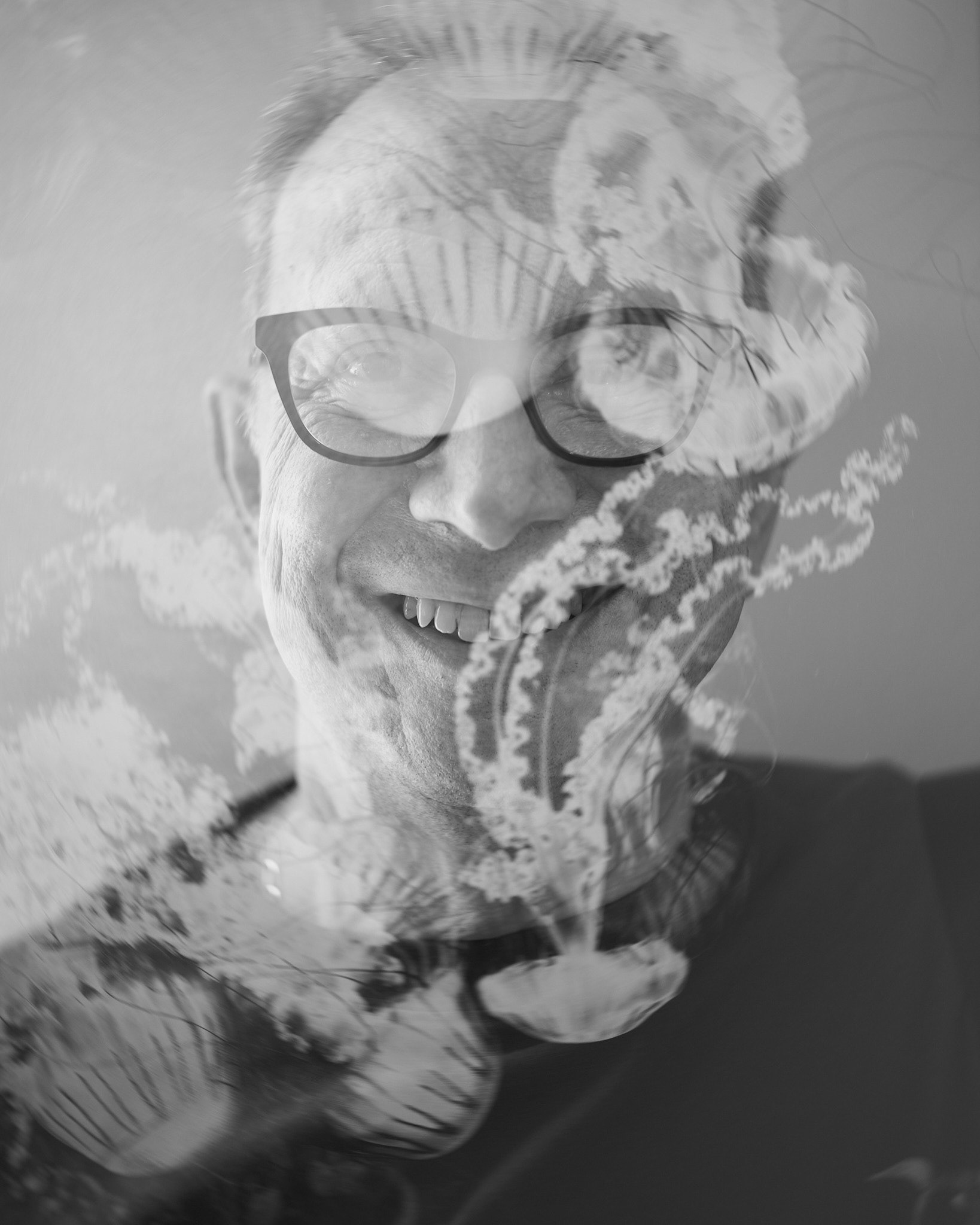
The artist through their art
I began asking some of the exhibiting artists if they would stand in front of my camera.
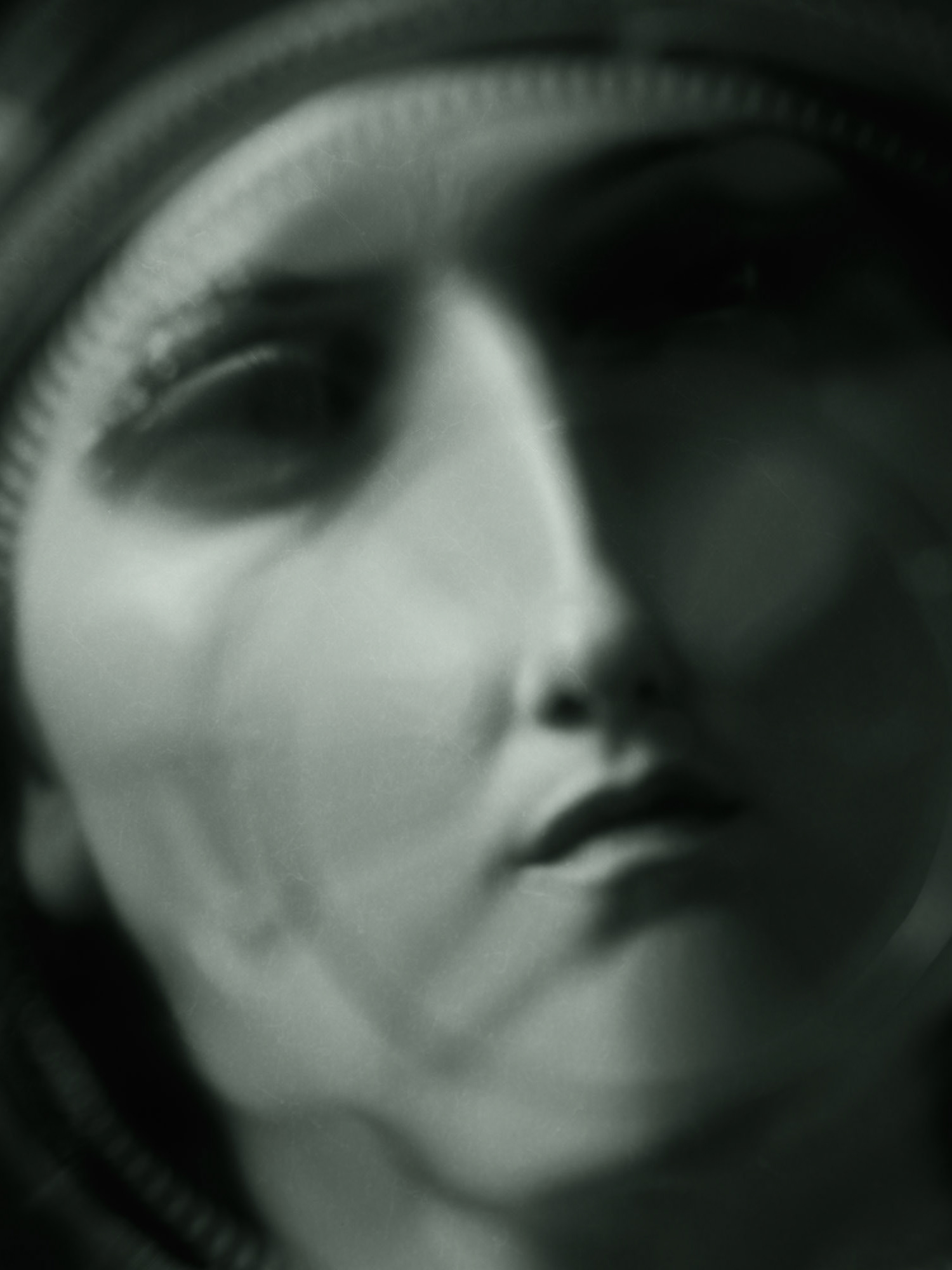
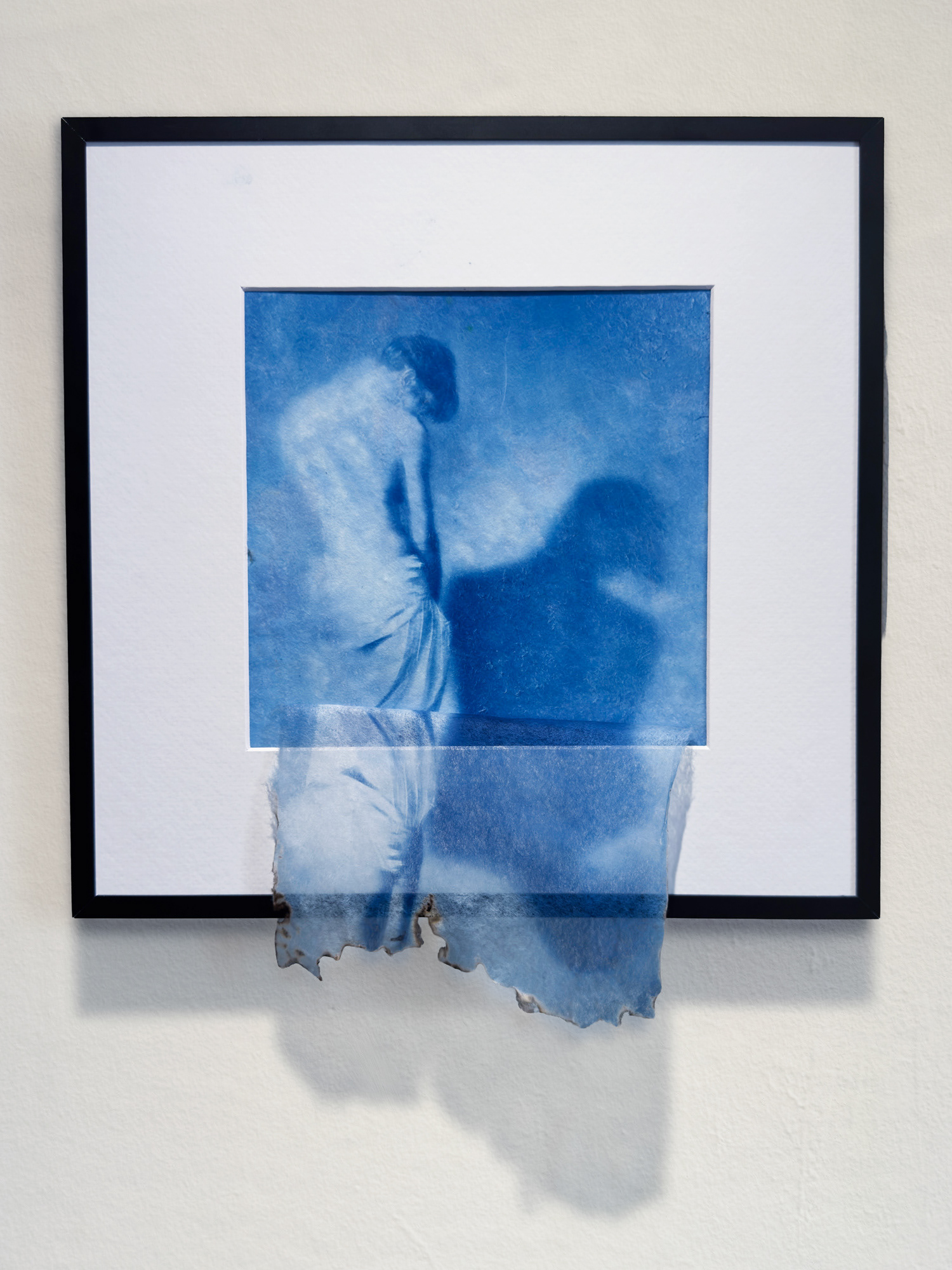
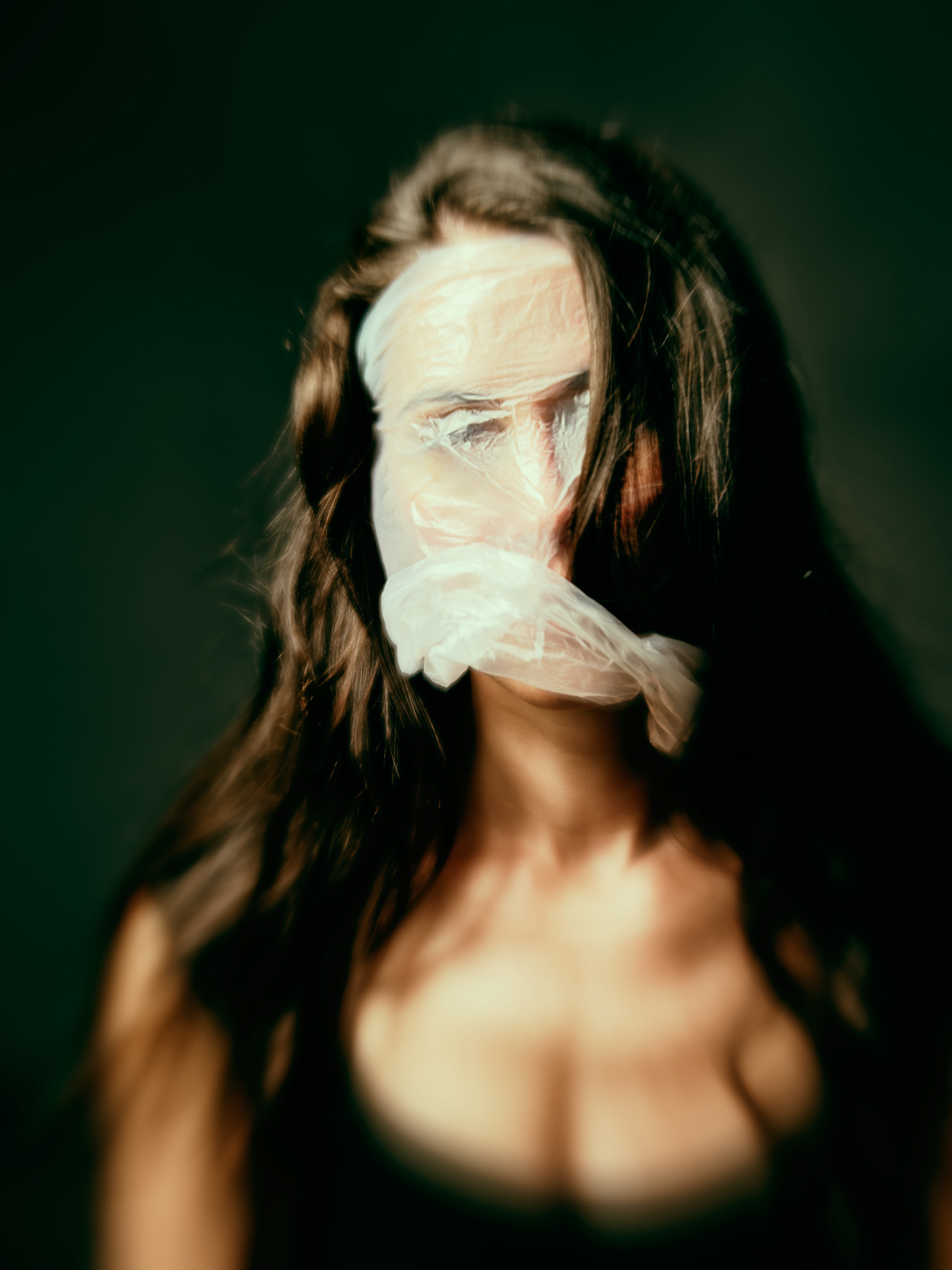
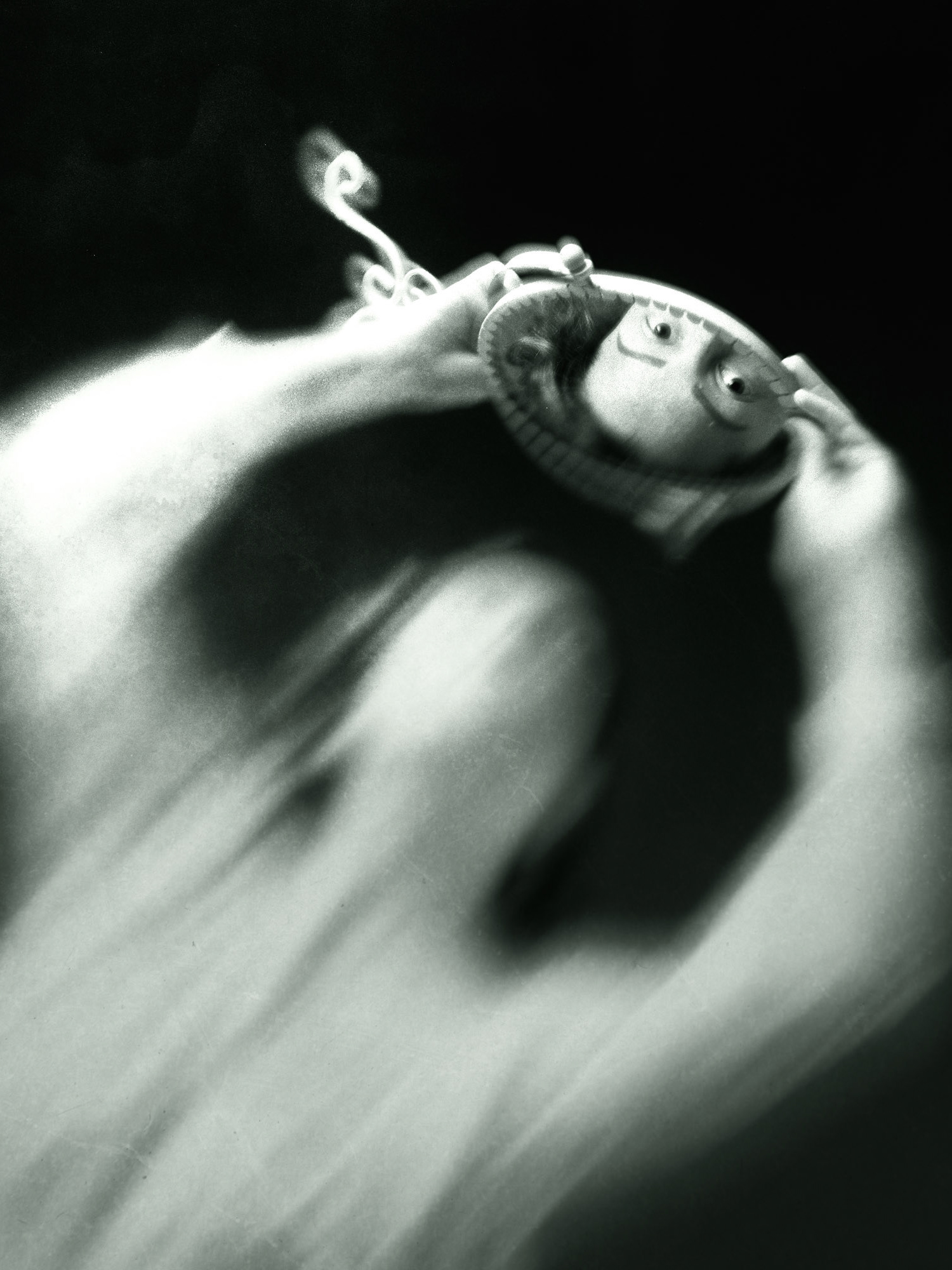
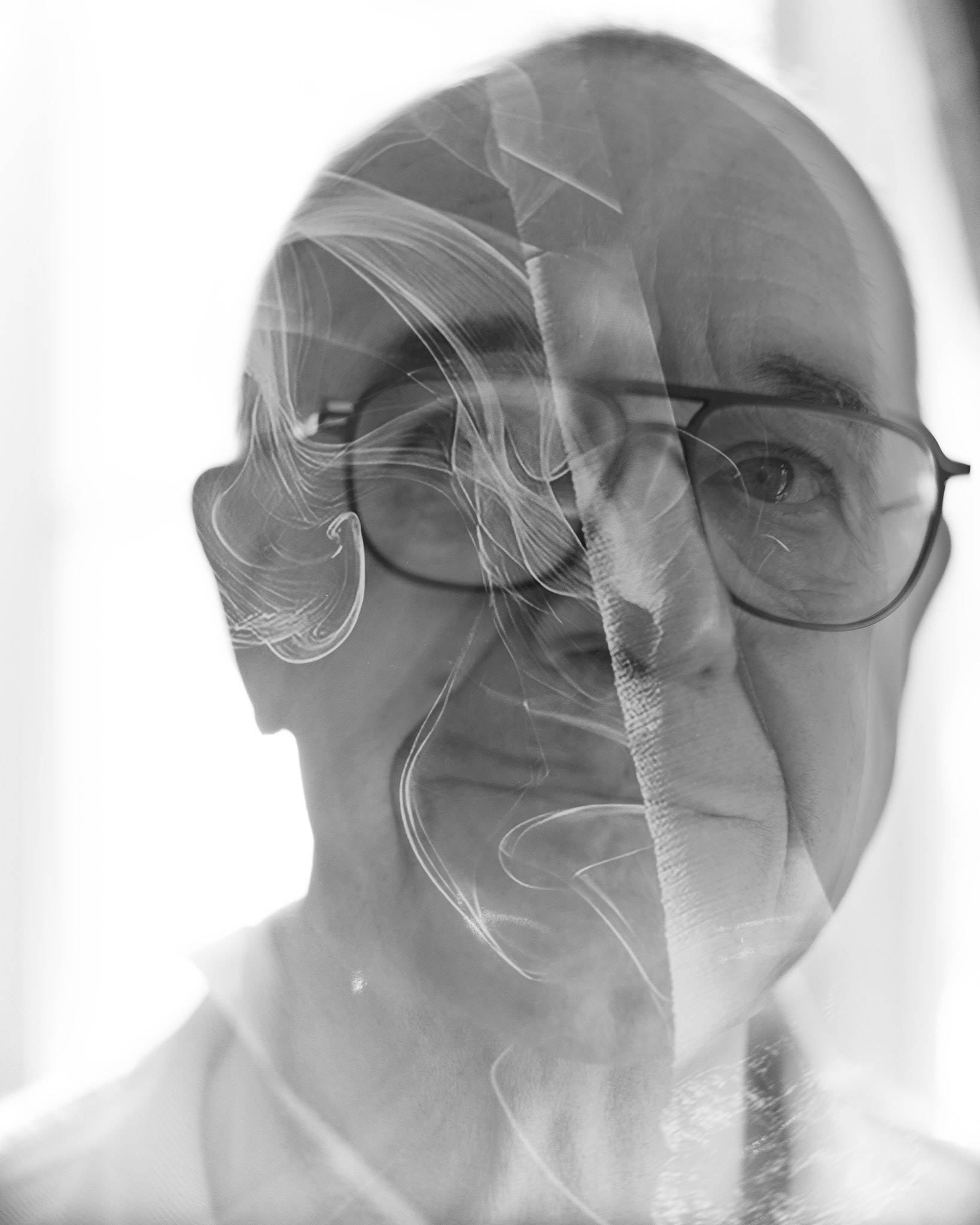
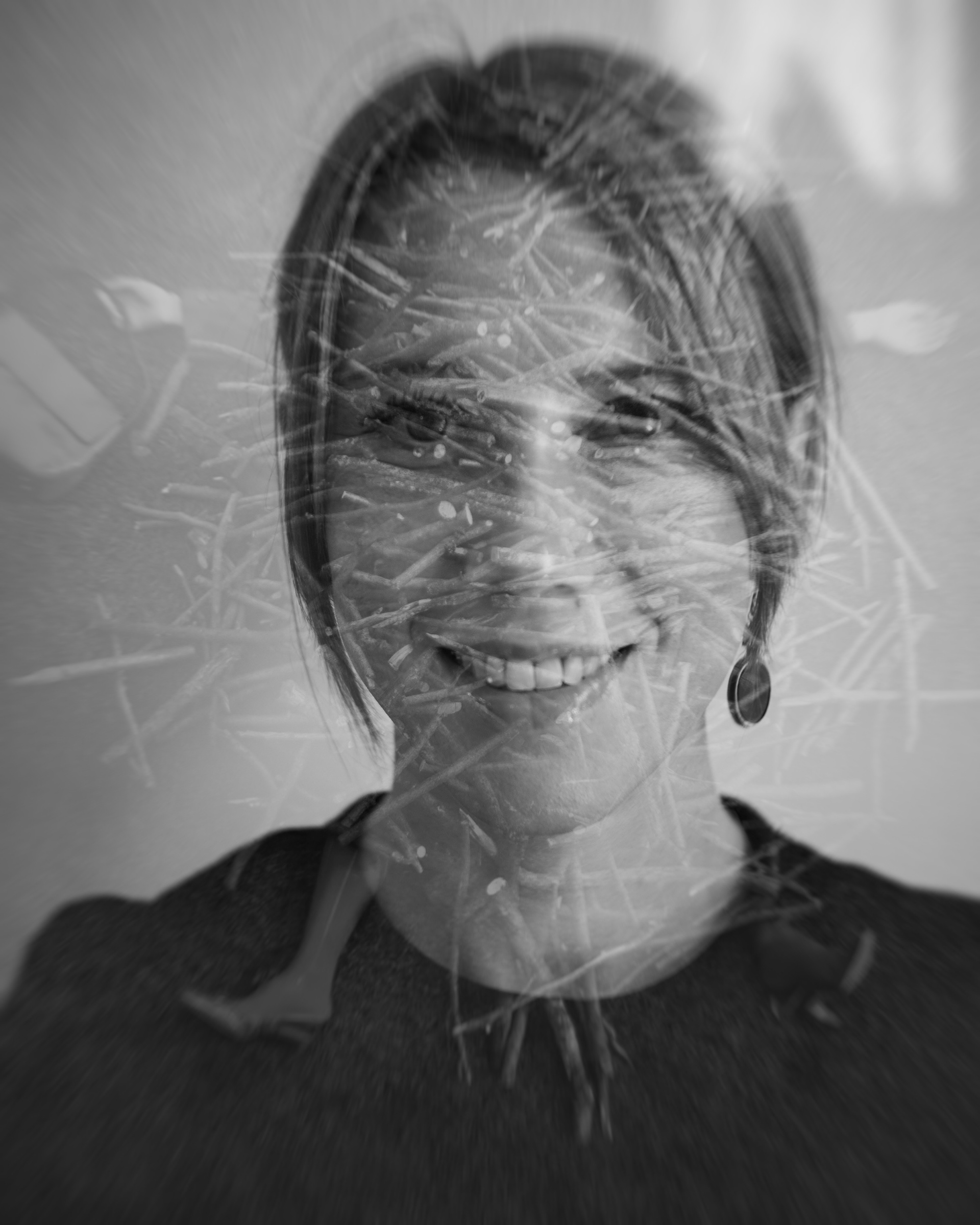
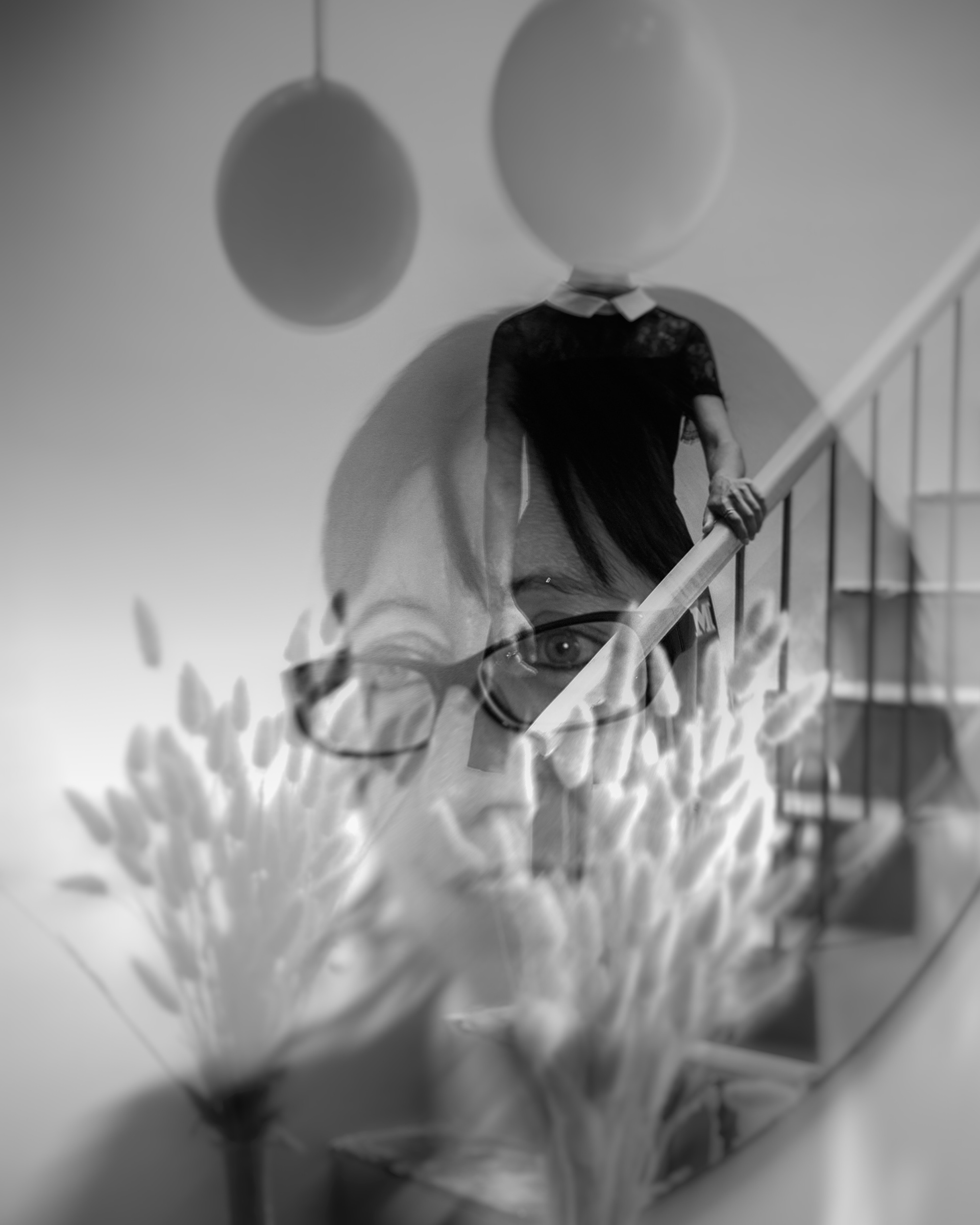
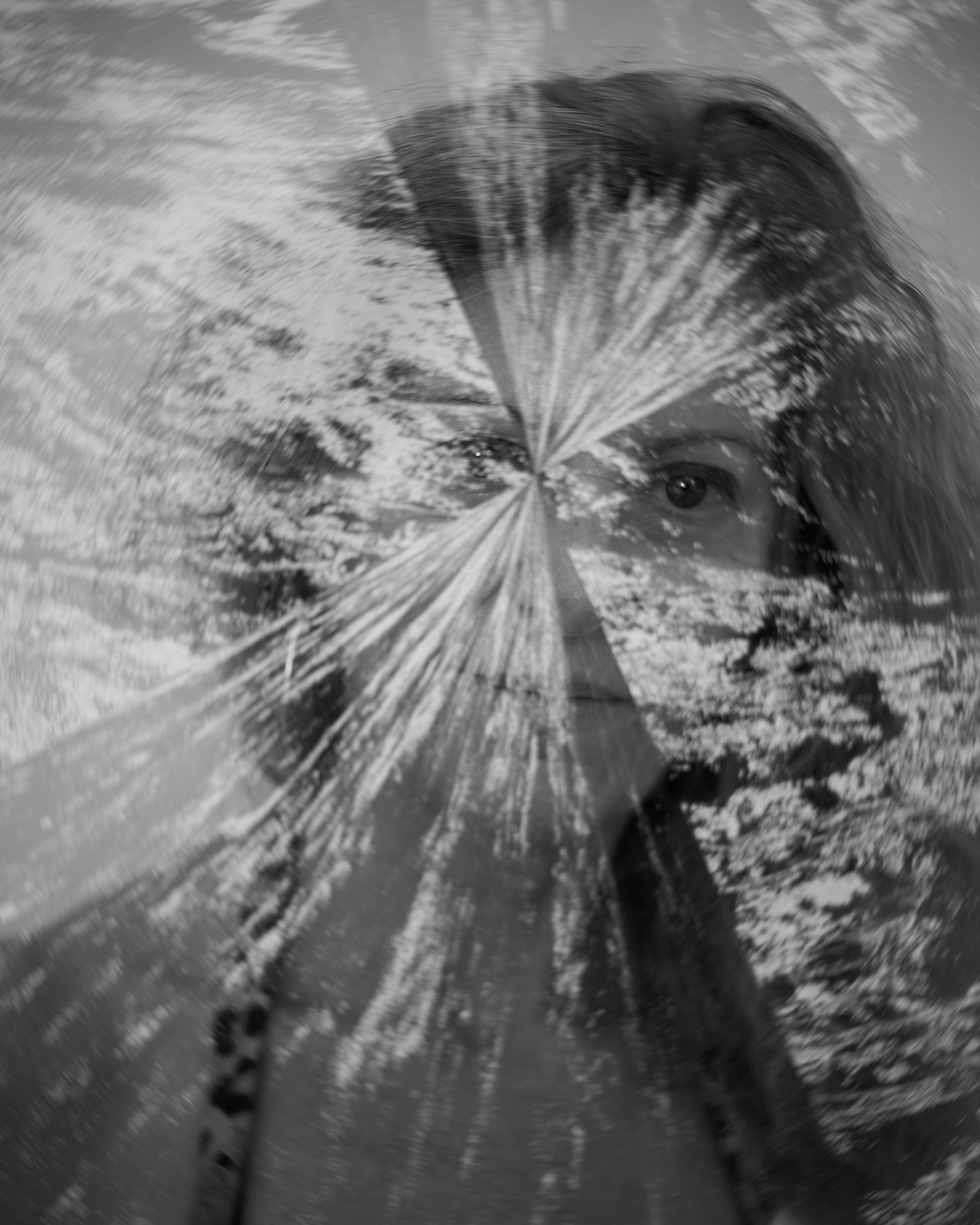
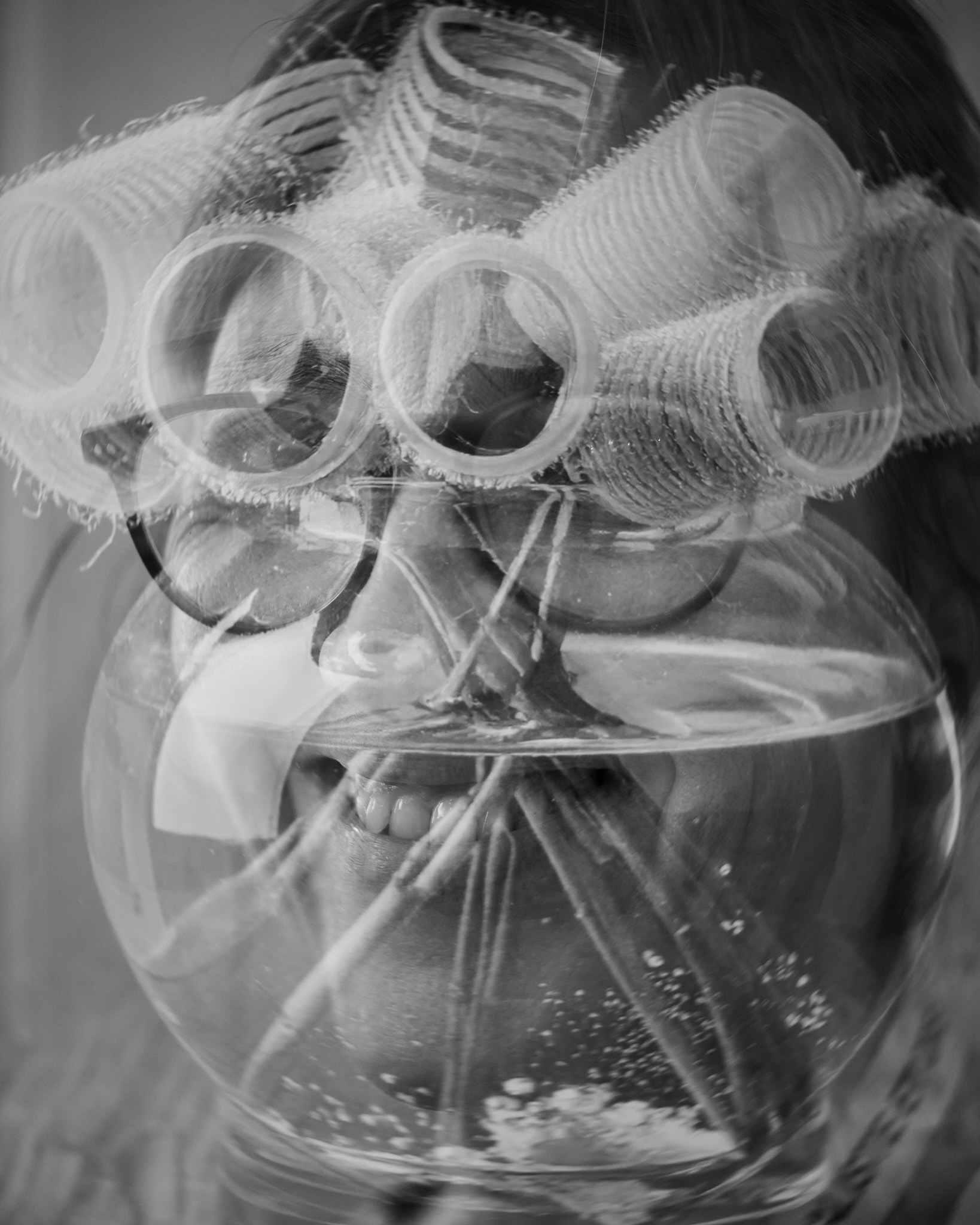
The premise was deliberately simple. I would make a double exposure: the first photograph would be a portrait of the artist; the second, an image of one of their exhibited works.
Two exposures. One frame.
I wasn't particularly interested in producing conventional portraits. I wanted to see what might happen when the person and the thing they had created were physically brought together within the photograph.
The results immediately surprised me.
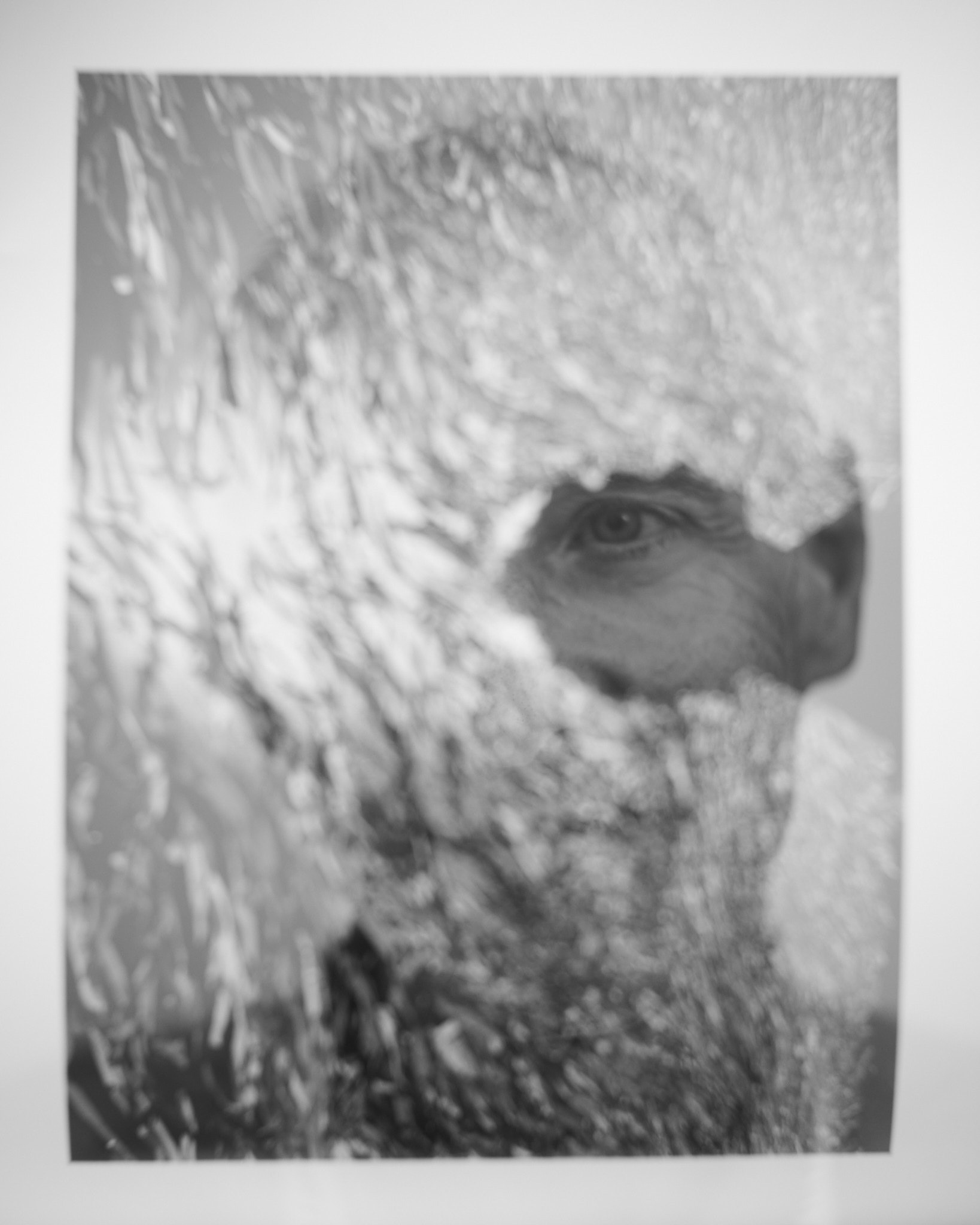
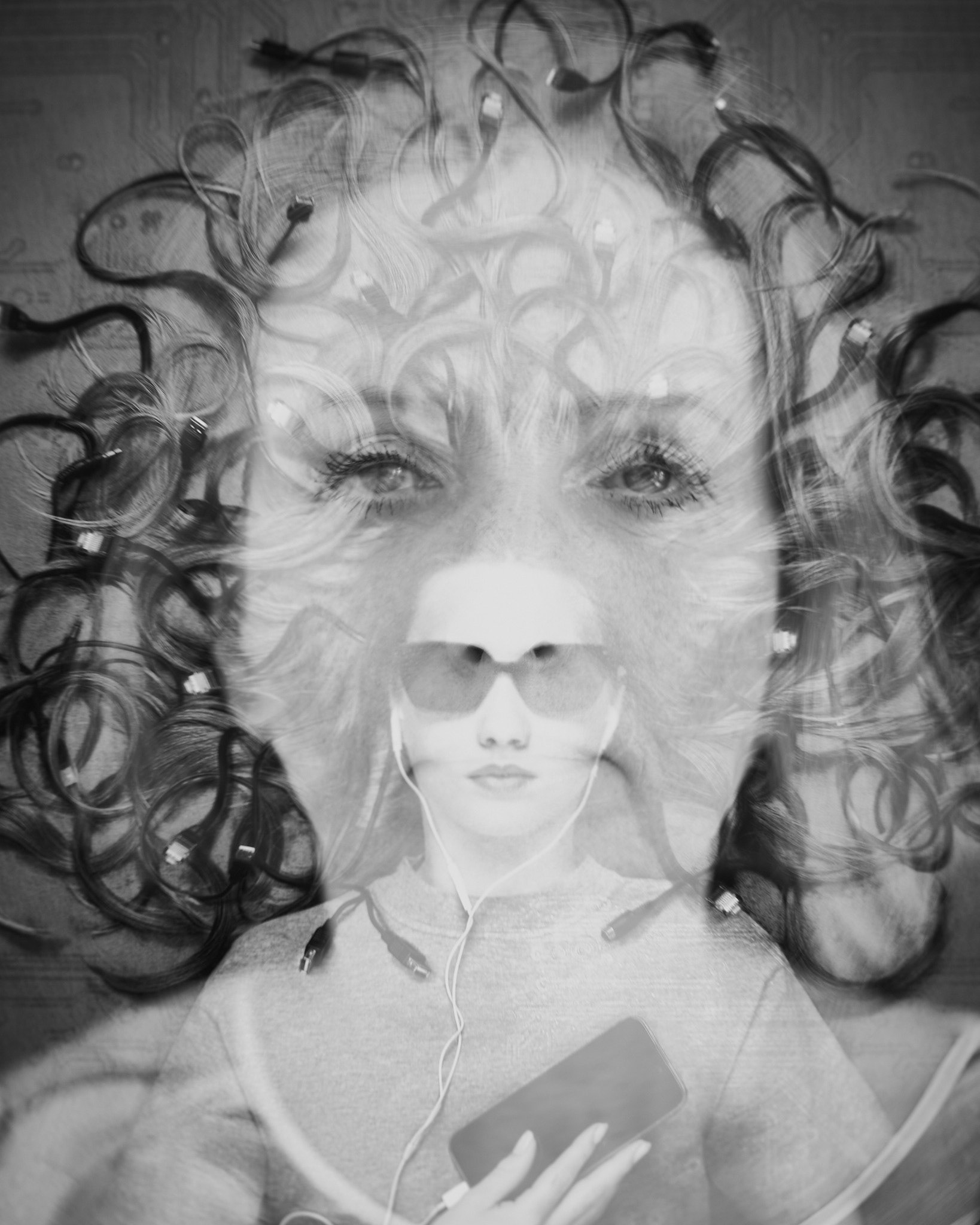
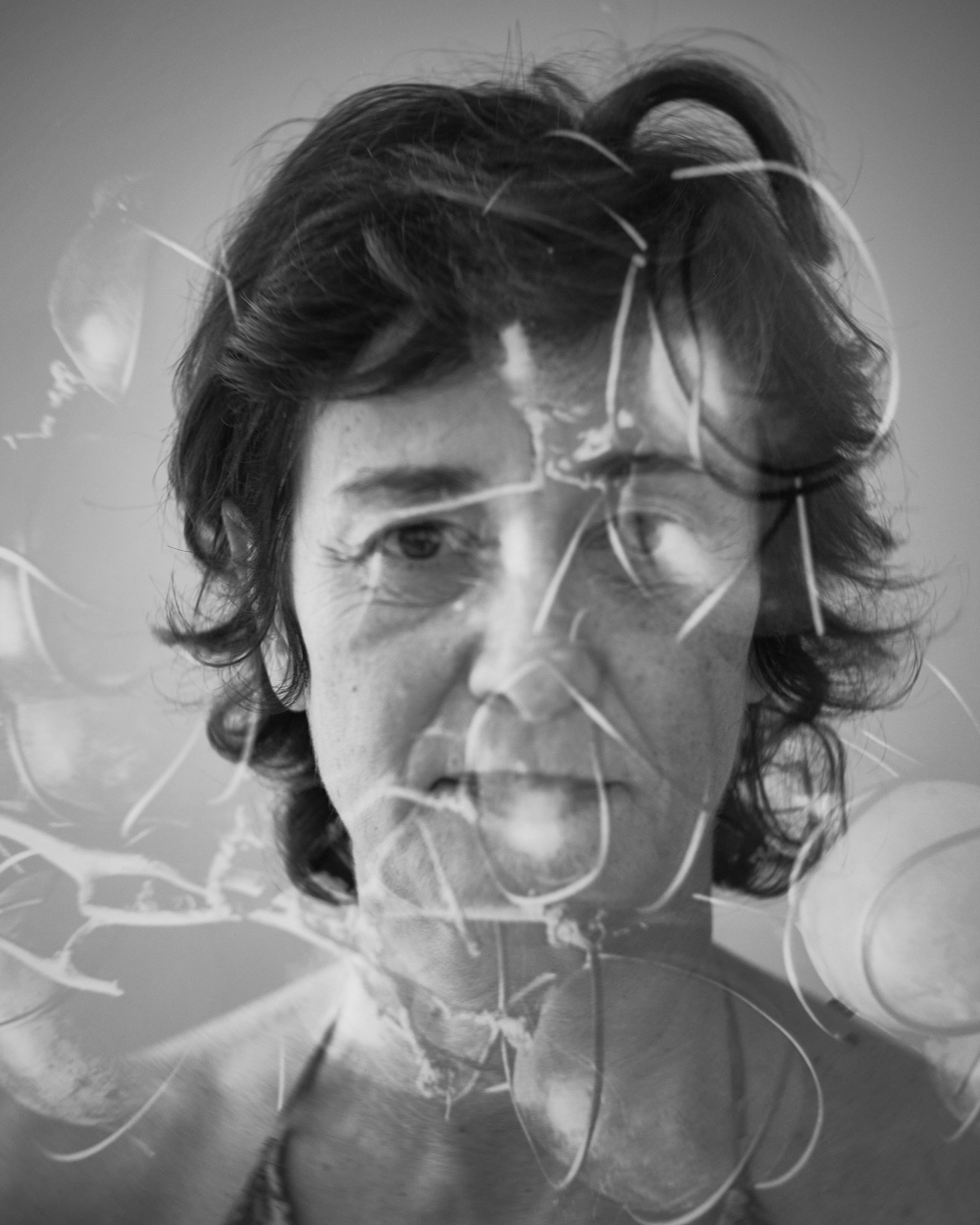
Sometimes the artwork seemed to hide its creator. Elsewhere it revealed something unexpected. Faces disappeared into landscapes, lines crossed skin, eyes appeared where they shouldn't, and fragments of photographs became part of bodies. In some portraits it became difficult to decide where the artist ended and the artwork began.
There was also an element I couldn't control, and that became important.
Double exposure introduces chance. I could choose the portrait, the artwork and roughly how the two might meet, but I couldn't entirely predict the final relationship between them. Something happened between the exposures.
Perhaps that uncertainty was particularly appropriate for a festival devoted to surreal and creative photography.


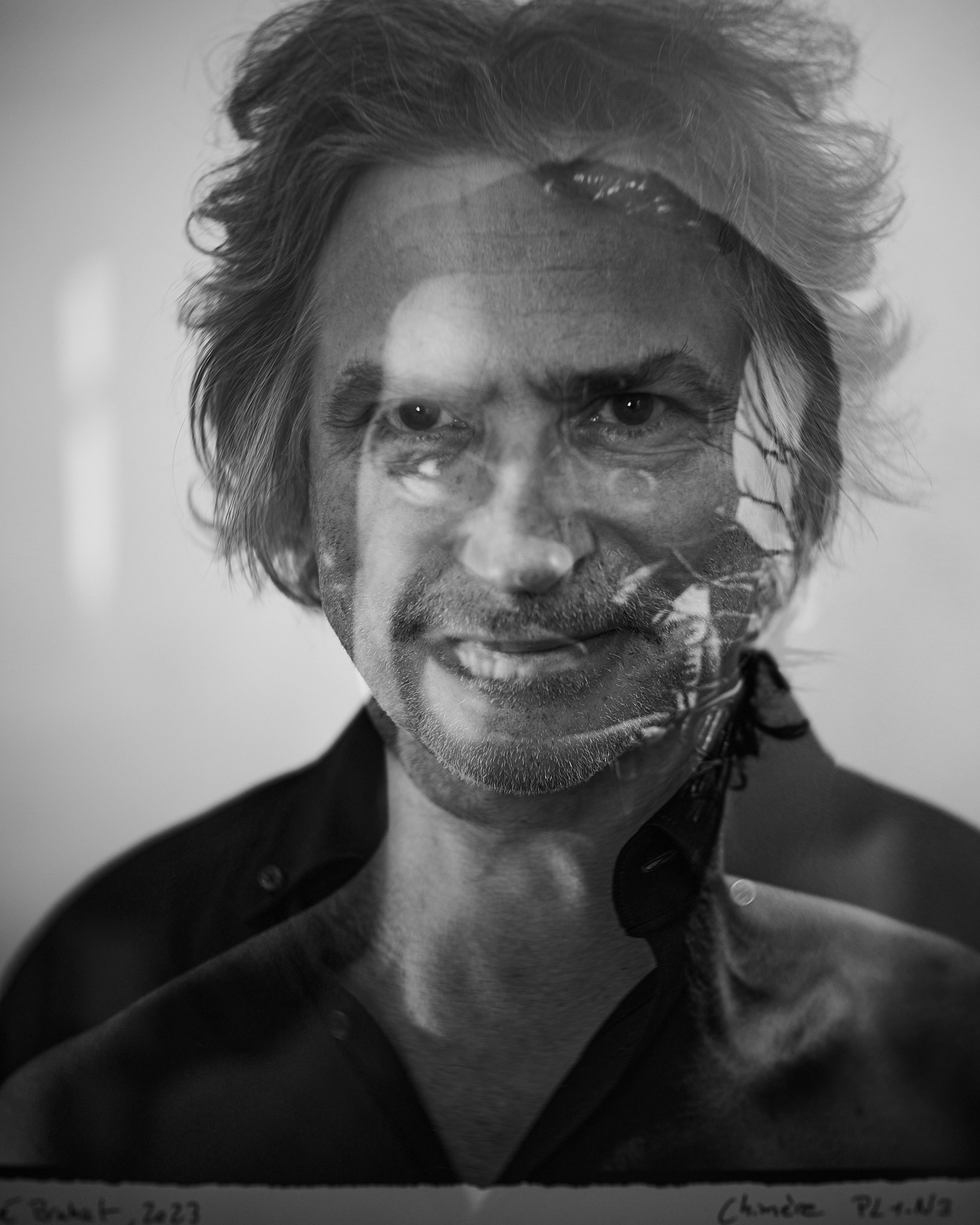

The ARtisT
The title came later.
I eventually settled on The ARtisT, playing with the word itself and the inseparable presence of ART and artist.
It describes what I began to see in these photographs. They are portraits, but they are also collaborations of a peculiar kind. The artists created the works that subsequently transformed their own faces. Their photographs, collages, constructions and imagined worlds returned to become part of them.
And every portrait behaved differently because every artist brought a different visual vocabulary into the frame.
That was perhaps the most enjoyable part of the experiment. I wasn't imposing one aesthetic onto a group of people. Instead, each artist effectively brought part of their own language to the portrait.
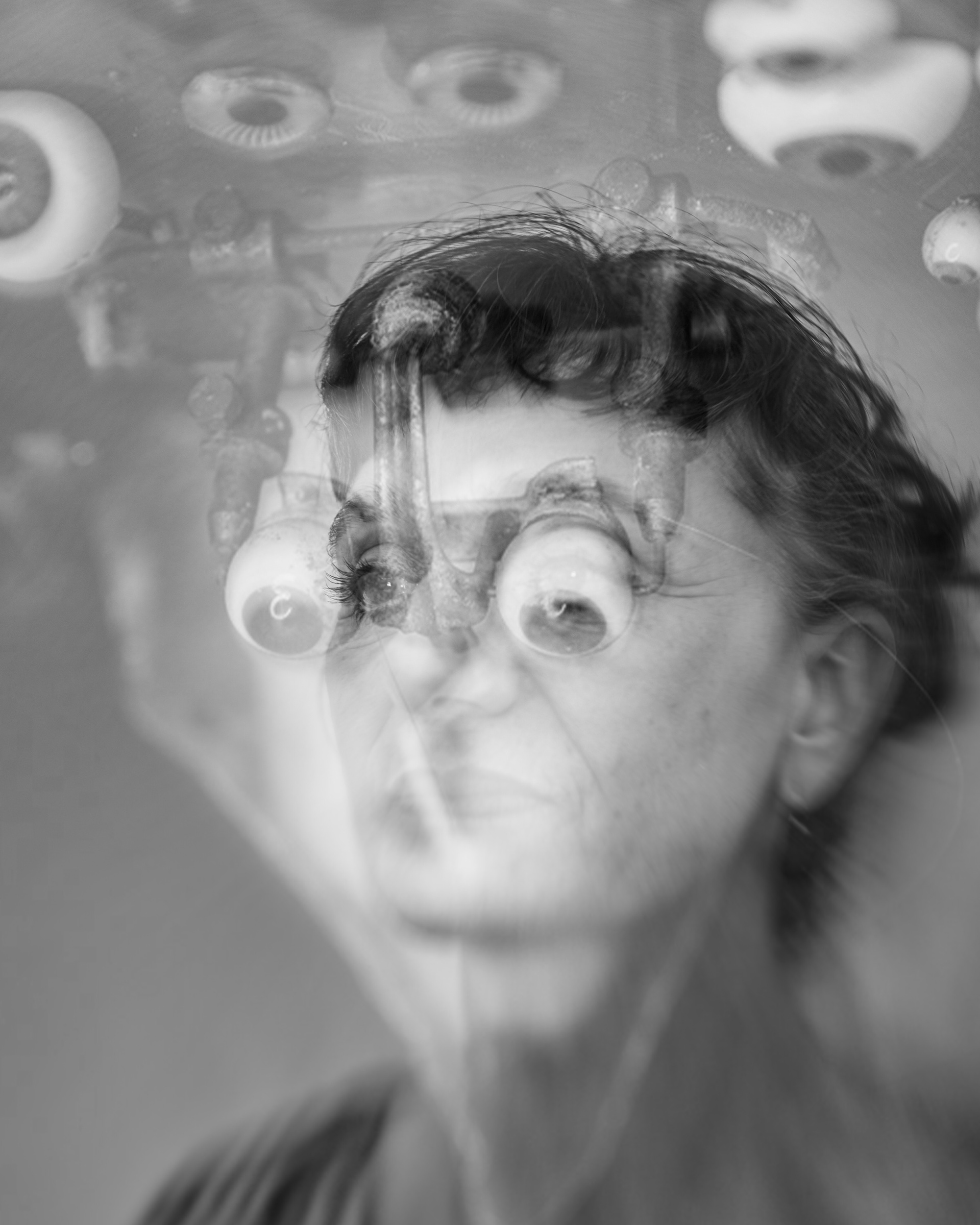

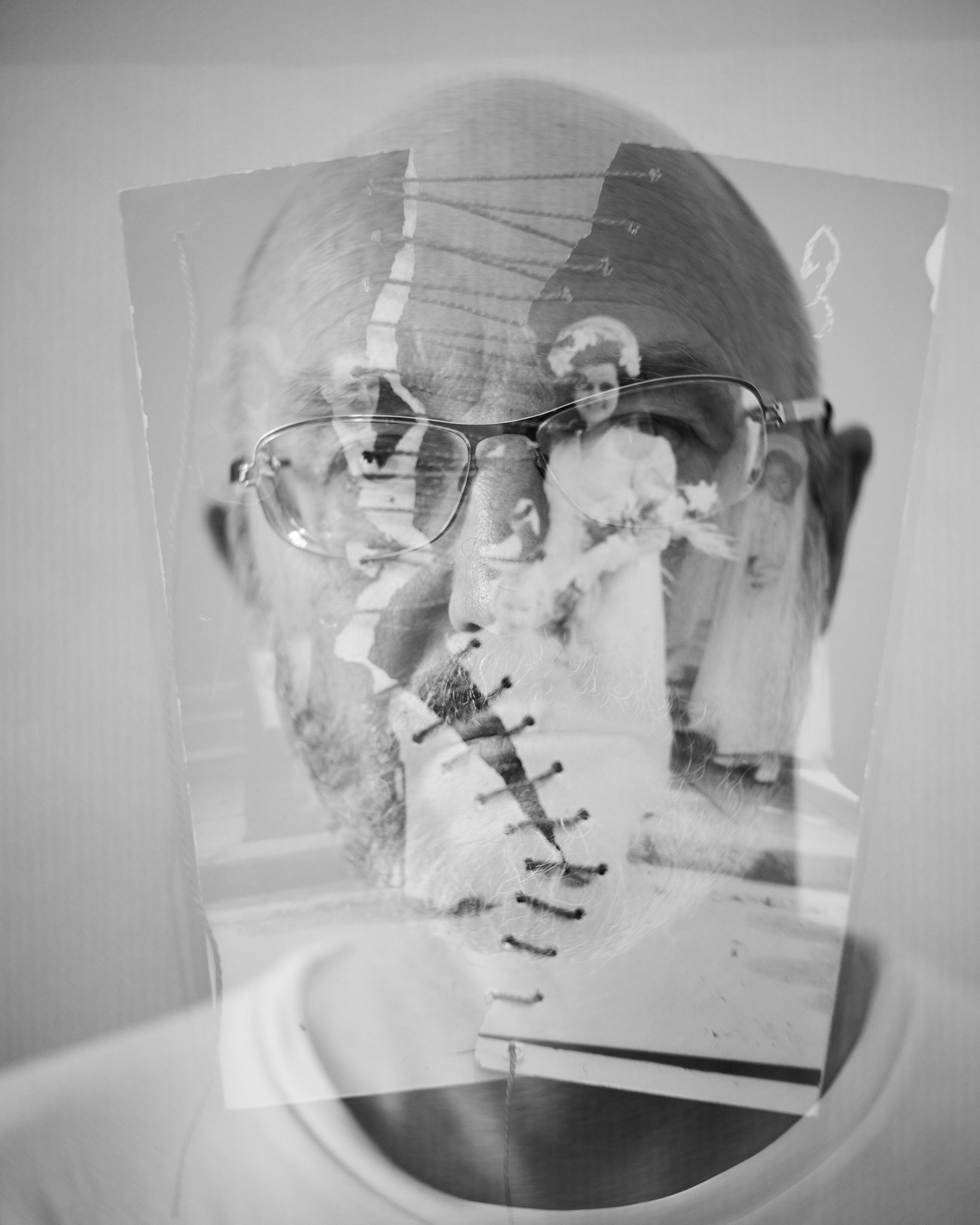
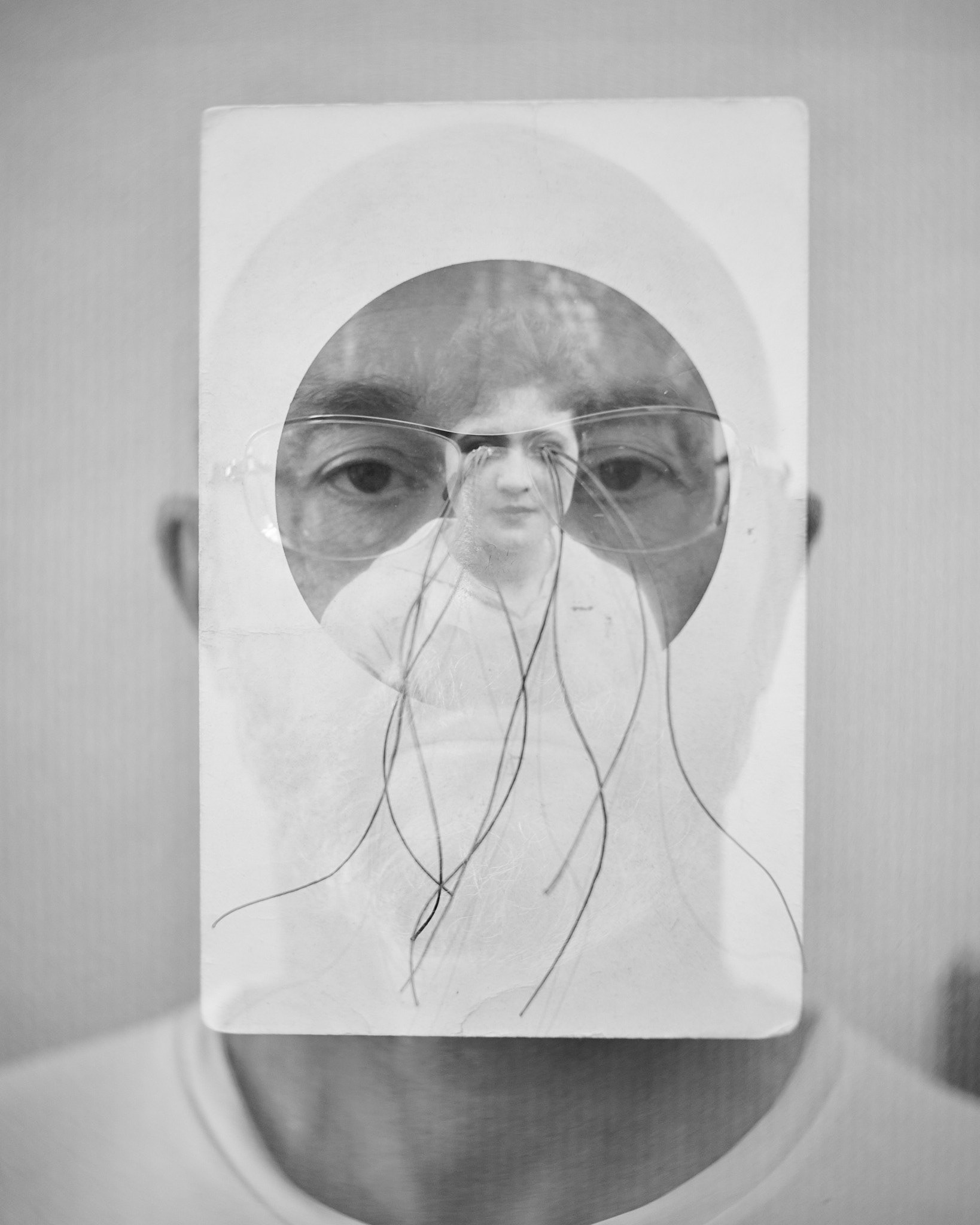
A festival within the Festival
What began as a spontaneous experiment gradually became something else: my own small record of the Festival.
Not a documentary record of the exhibitions, and not quite a series of portraits either. It became a collection of encounters.
Looking at the photographs now, I remember the conversations surrounding them: asking someone to participate, choosing which artwork might work, making the exposures and later discovering whether the combination had succeeded.
The generosity of the participating artists was essential. They trusted me with their image and, equally importantly, allowed me to reinterpret their work by placing it into another photograph.
Several of them subsequently told me that this exchange was exactly what they valued about festivals: artists meeting artists, discovering one another's practices and occasionally inspiring something that didn't exist before they met.
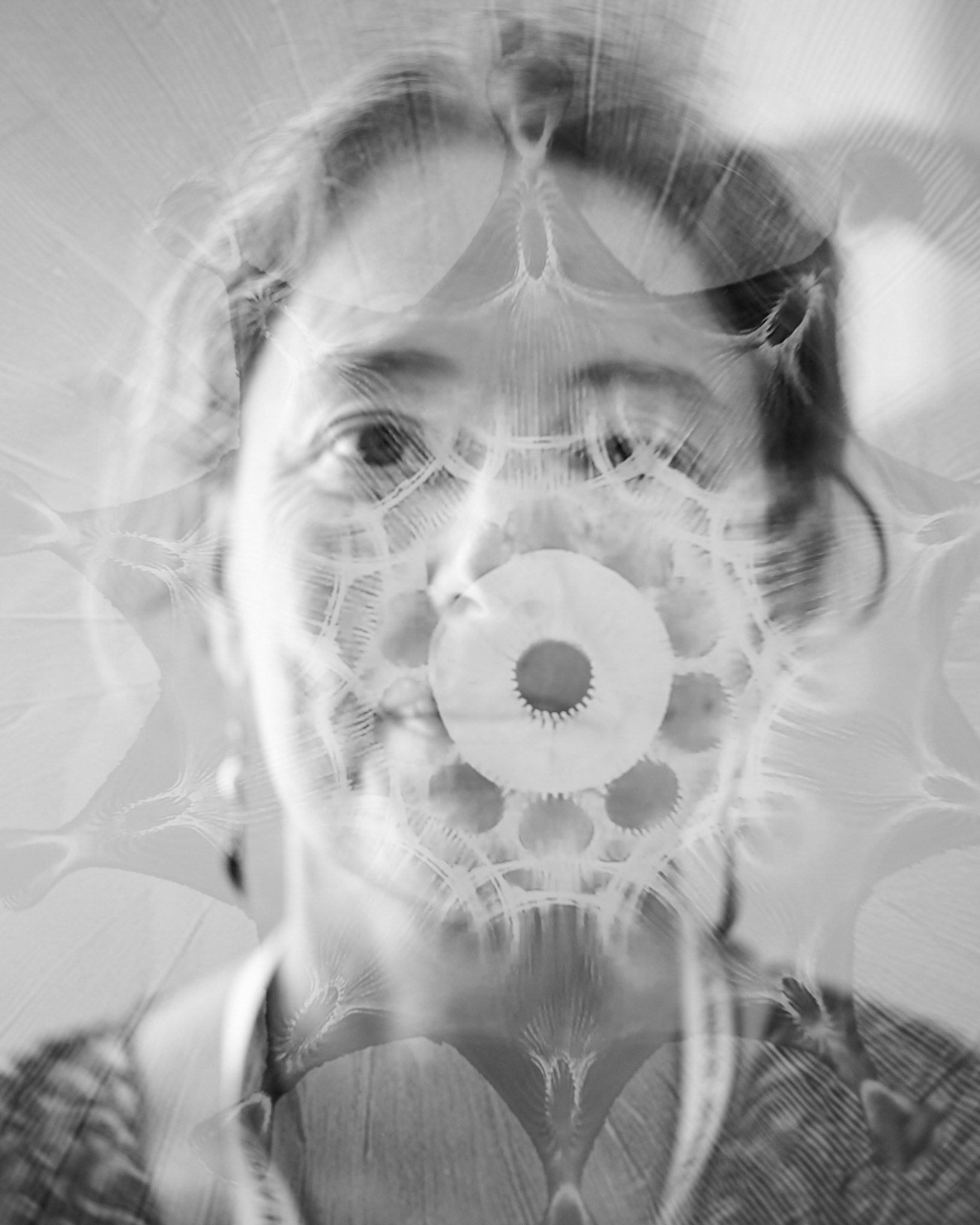
Reciprocity
One of the most unexpected aspects of The ARtisT was reciprocity.
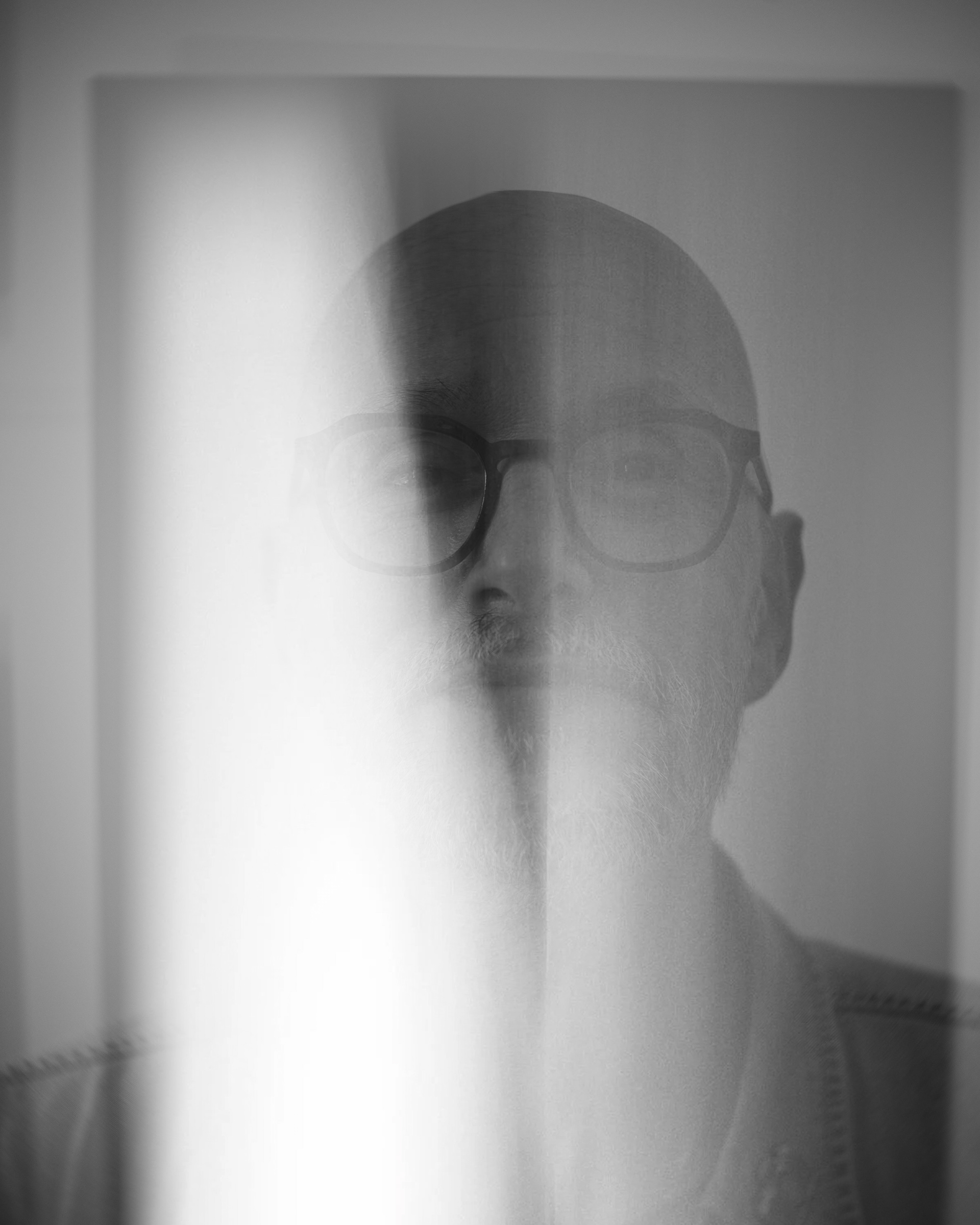
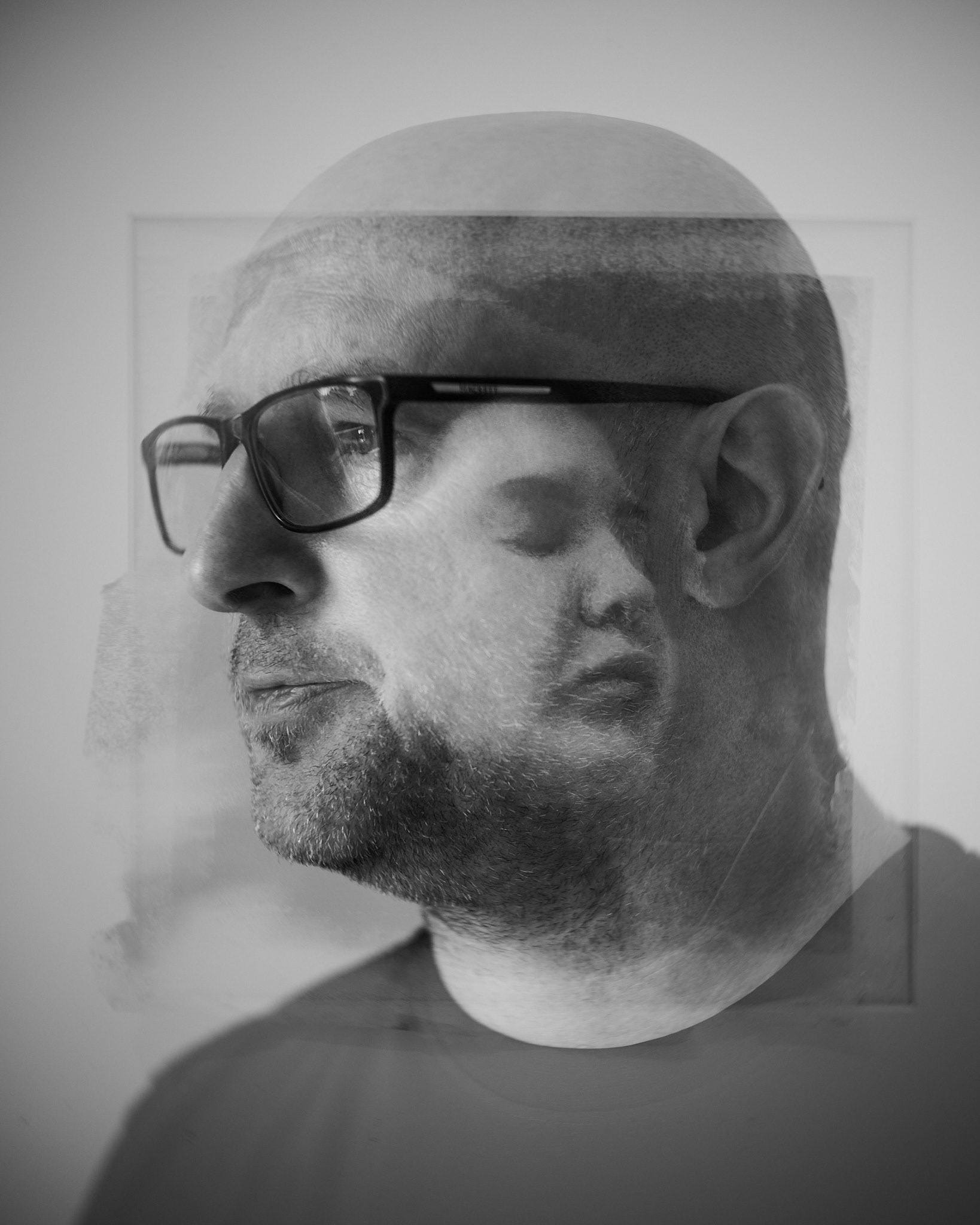
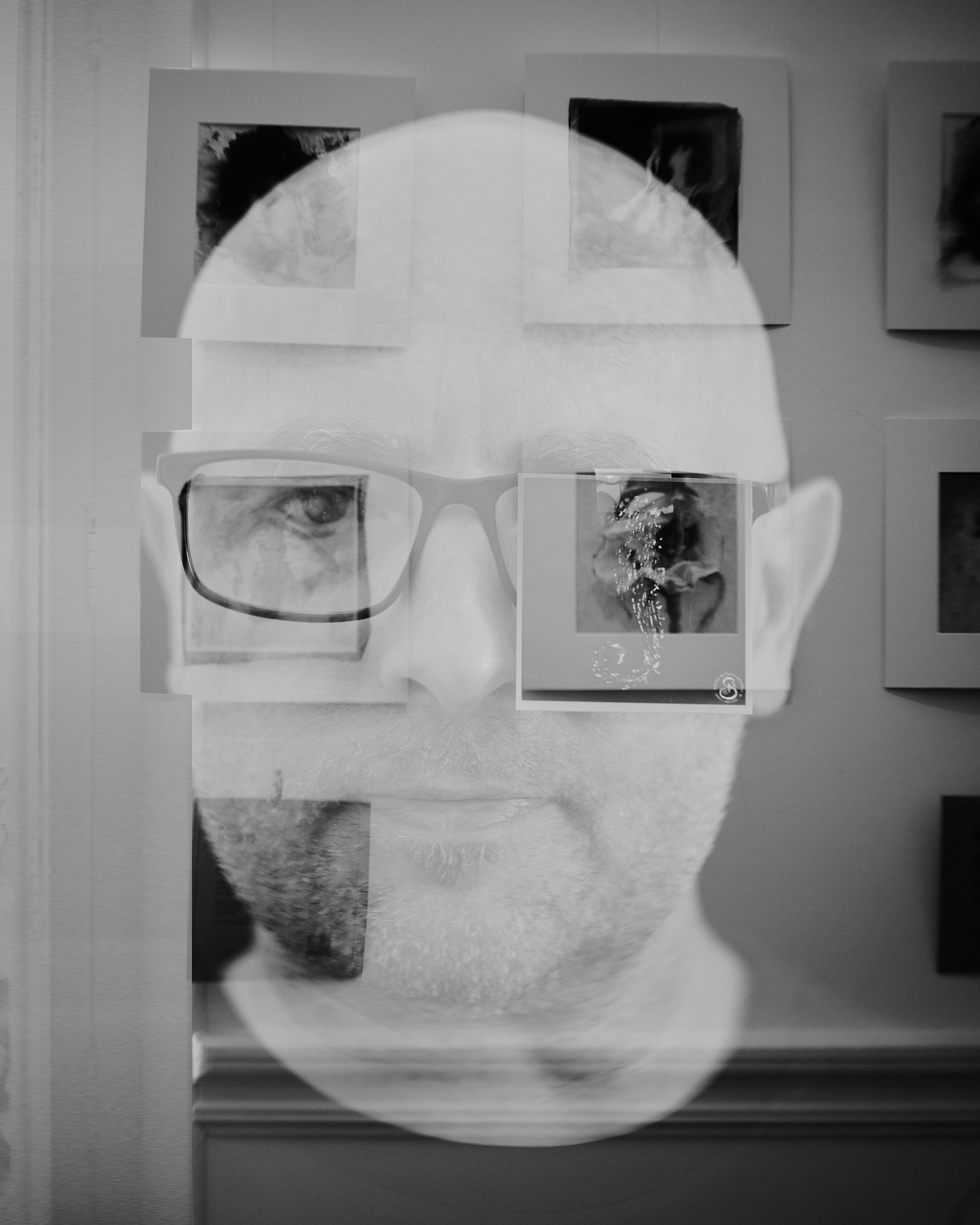
At some point, the idea began to travel beyond my own camera. Three of the participating artists turned the process around and created double-exposure portraits of me, each through their own way of seeing.
I am hugely grateful for those photographs. I cherish them not simply because I rarely find myself on this side of the camera, but because of what they represent: a creative exchange between artists.
There was something particularly satisfying about watching the idea become contagious. What started as my invitation to other artists became an invitation back. The boundary between photographer and subject shifted, and the project became collaborative in a way I hadn't anticipated.
Perhaps this is what I value most about The ARtisT. The photographs matter, of course, but so do the encounters that produced them. An idea was offered, accepted, interpreted and eventually returned.
And those three portraits of me have become a very special part of the project, and of my memories of Fréjus.


I think that is what The ARtisT ultimately became for me.
It wasn't a project I took to Fréjus.
It was a project that Fréjus gave me.
And perhaps that is one of the best things that can happen at an art festival: you arrive carrying your own work, and leave with an idea that could only have emerged from encountering the work of others.


Fréjus, September - October 2026