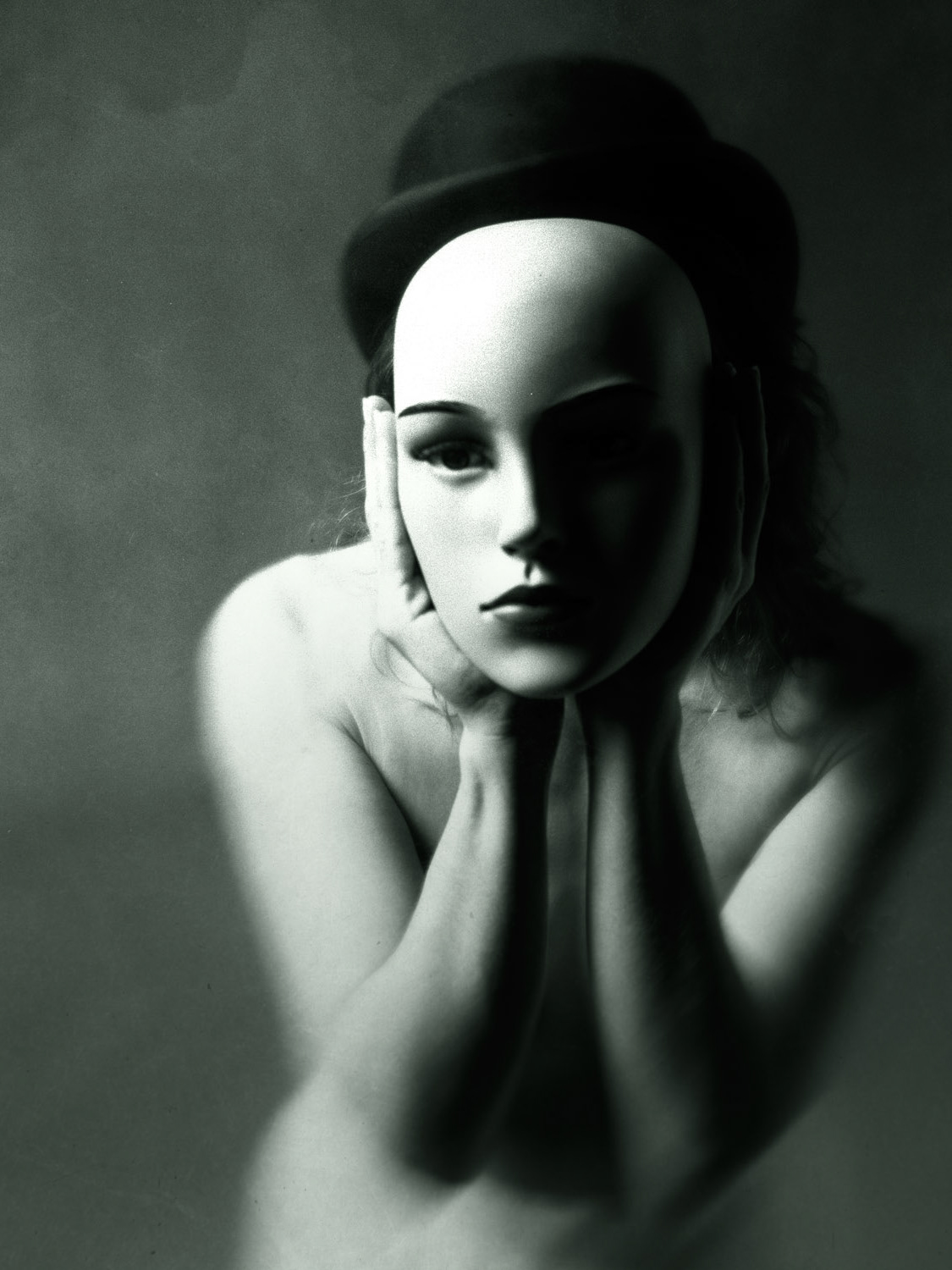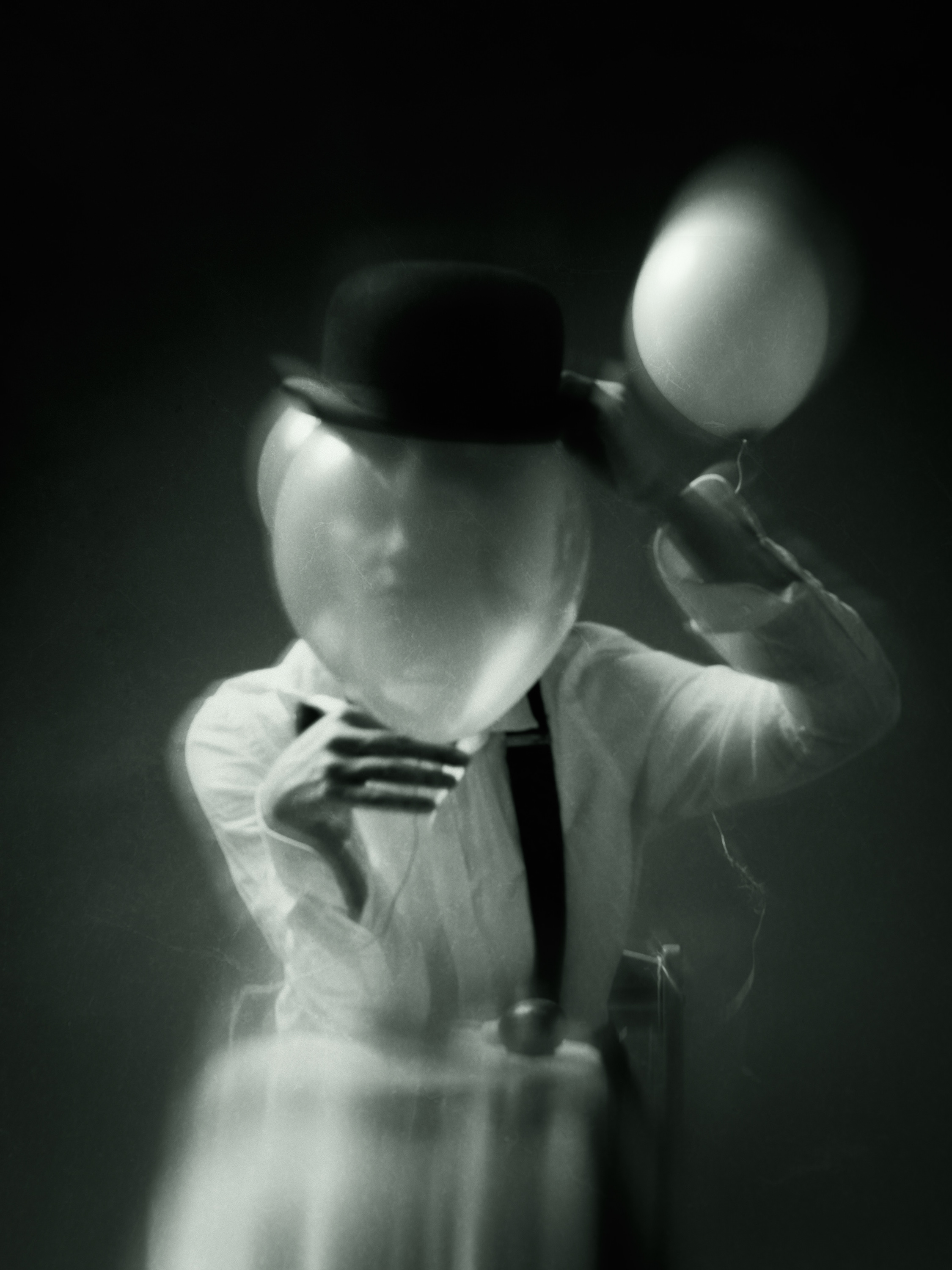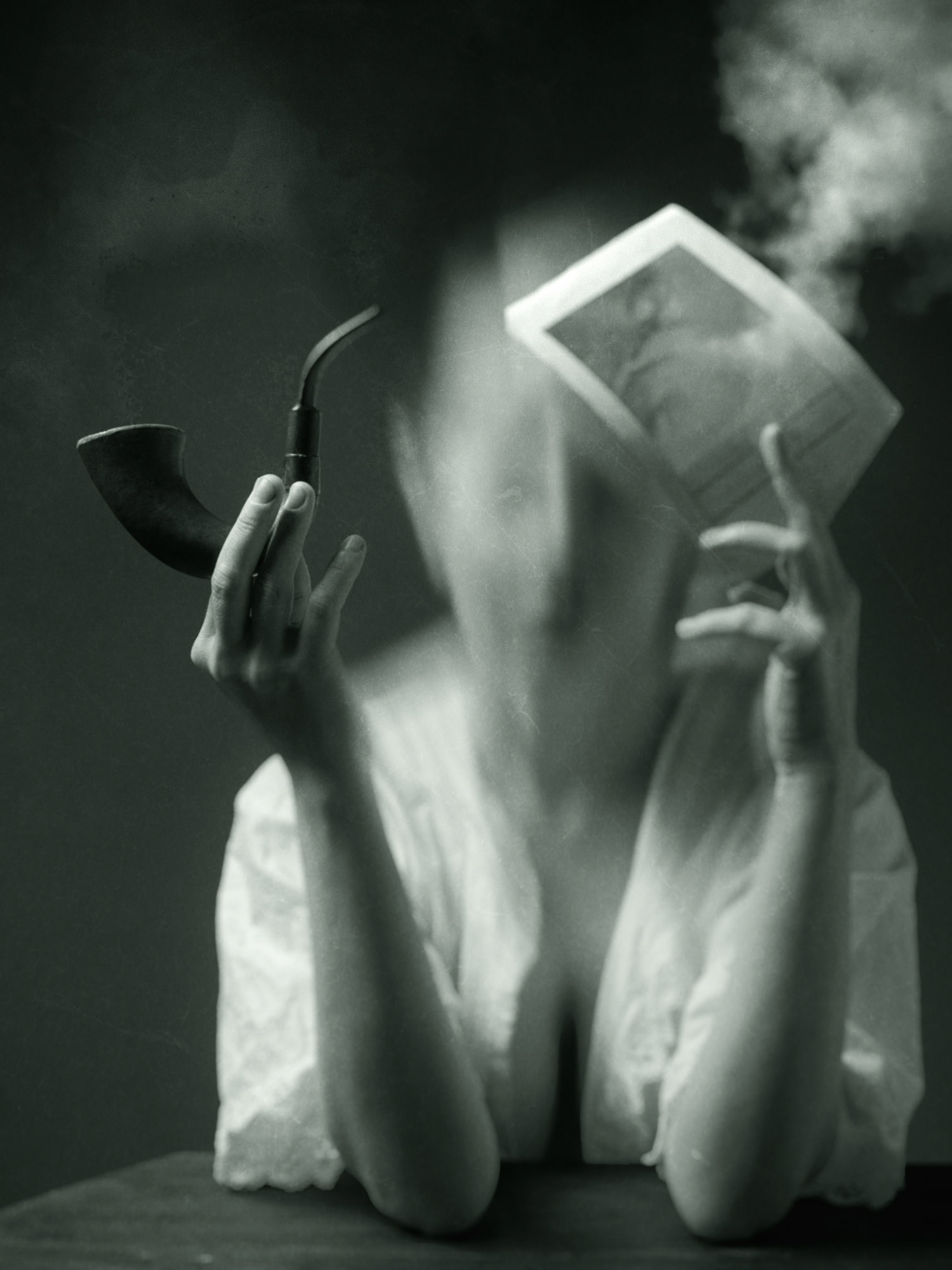
There’s a question that has followed me for years: is it worse to do something and regret it, or never do it and spend a lifetime wondering? Portraits for No One was my way of finding out. It’s a small constellation of stories set in a town I call Hometown—a place where time has seams, memory has a scent, and ordinary lives keep brushing against the miraculous.
The stories grew out of small fragments I’d been carrying around — moments that seemed too quiet to matter but somehow stayed with me. A voice that changed when it rained. The scent of sugar in an empty apothecary. A woman walking through cracks in the air. I didn’t know at first that they belonged to the same world, but they began to find each other, orbiting a little town I called Hometown — a place where time has seams, memory has a scent, and the miraculous hides behind the ordinary.
In Hometown live people like Jacinta, whose voice blooms when it rains; Eusebio, who secretly bakes cakes he never serves; Octavio, who lends people faces for the lives they wish they lived; and Amparo, who walks through invisible fractures to lead strangers to safety, even as each journey leaves another mark on her own skin.
Threaded through them all is Isabella, who looks back at her life and says the line that became the book’s compass for me: the world is not made of locks and bolts—it is made of doors.
The magic in these stories isn’t loud. It’s the kind that sits quietly at the table, waiting for you to notice it. I’ve always believed that wonder doesn’t need to shout; it only needs space. And beneath that wonder runs a current of fear and bravery — how easily fear turns into hesitation, and hesitation into a life rehearsed instead of lived.
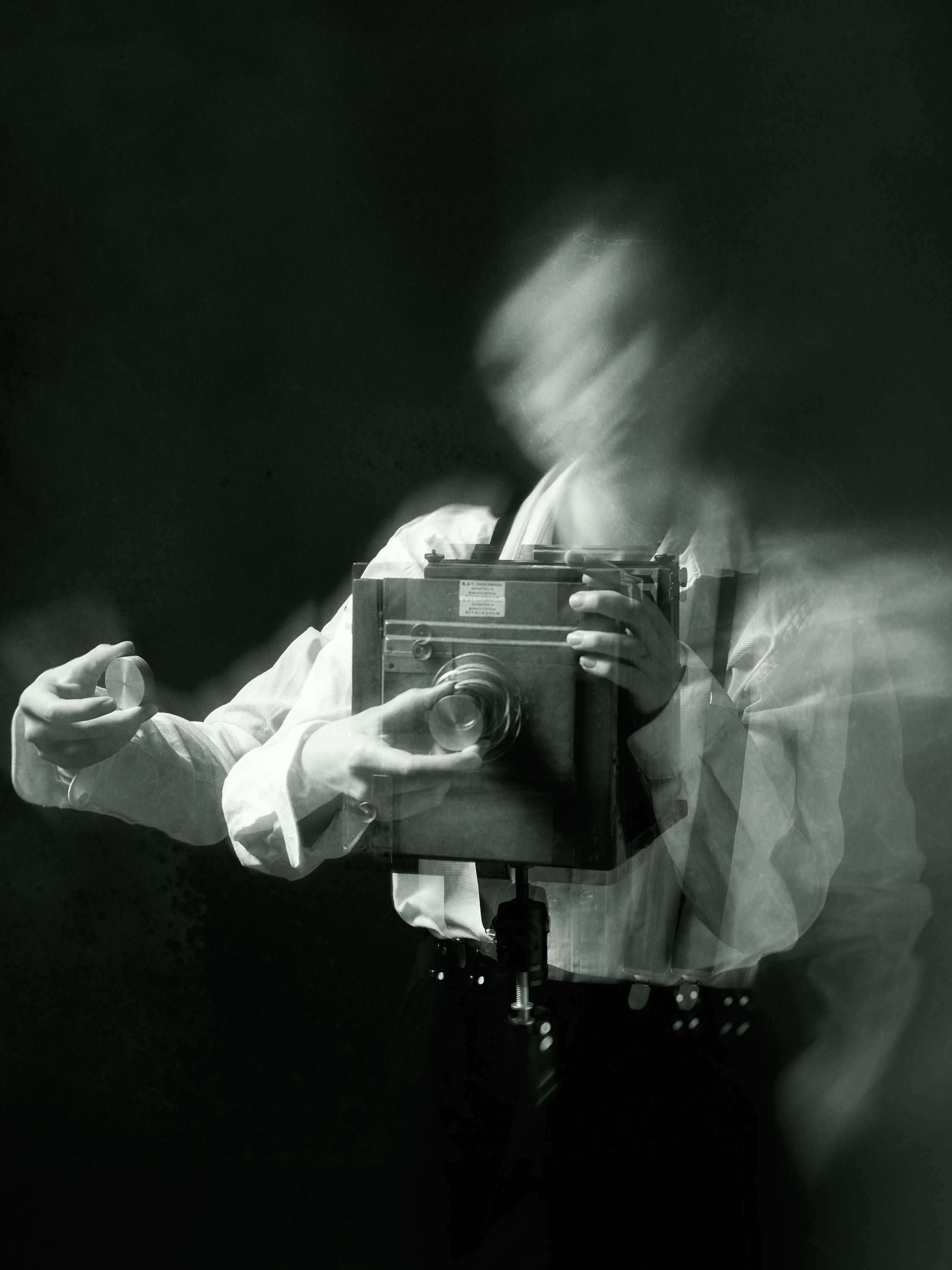
That’s the quiet dare of Portraits for No One: live while the sand is still falling. Many of the characters stand at that precise point between timidity and risk. Don Nicanor tends clocks and misses a love. Eduardo carries an old camera but never removes the lens cap. Others polish their “better selves” like cutlery they never use.
And yet, some of them finally act. They sing in the rain, bake in secret, knock on impossible doors. I realised something simple and uncomfortable — that regret for action softens over time, but regret for inaction hardens. It calcifies. Perhaps that’s why the stories keep whispering: break the hourglass. Open the door.
Each chapter is a portrait, complete on its own, but when you read them together, they begin to echo — like paintings in the same gallery, each one deepening the light of the next. You can read them in a single sitting or wander through slowly. Either way, I hope they leave you feeling that the room around you has shifted, just slightly, by a few degrees.
Most of all, Portraits for No One is tender without being sentimental. It believes in the small acts of goodness that hold the world together — shared breakfasts, small gifts, quiet patience — while making a case for courage. People there aren’t heroes or saints. They are us, caught in that fragile instant before we act.
Come for the magic. Stay for the human scale. Leave, I hope, with a gentle nudge towards whatever threshold you’ve been hesitating at. The world is full of doors. You only need the nerve to knock.